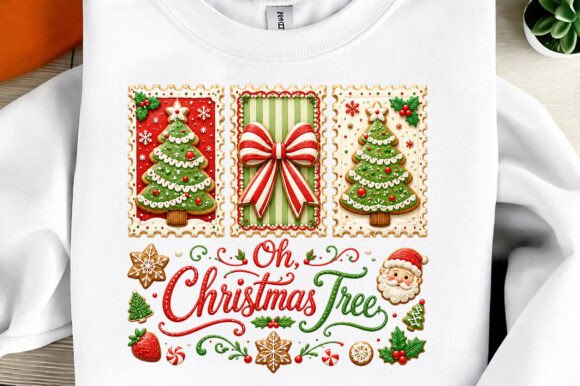
Faux Crochet Christmas Tree Cake: A Designer’s Review
As an embroidery designer who has spent countless hours digitizing and testing files for real-world application, I approach every new machine embroidery design with a mix of curiosity and skepticism. We have all been there: you download a file that looks stunning on the screen, only to find it turns into a puckered mess or loses its charm once stitched out. Today, I am taking a close look at the Faux Crochet Christmas Tree Cake PNG. While the title suggests a digital image format, in the context of our craft, we are evaluating how this specific aesthetic translates into a tangible embroidery project for commercial and personal use.
First Impressions and Visual Mood
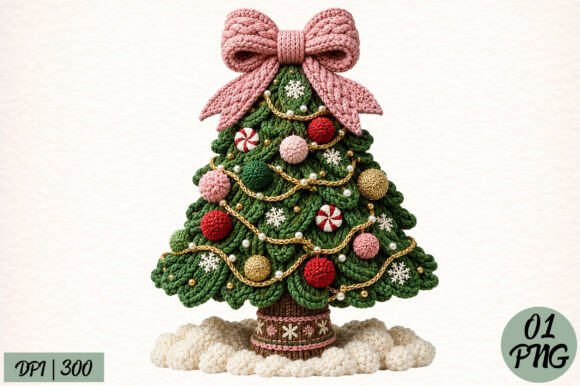
The immediate appeal of this design lies in its texture simulation. The "faux crochet" effect is a trendy visual language that resonates deeply with the current handmade market. It evokes warmth, nostalgia, and the cozy comfort of winter holidays. When I first loaded the preview, I noticed the intricate layering intended to mimic yarn loops. For a designer, this presents both an opportunity and a challenge. The mood is undeniably festive but retains a sophisticated, boutique feel rather than looking like generic clip art. This visual personality makes it ideal for customers seeking unique, high-quality holiday embroidery that stands out from mass-produced items.
In terms of layout, the tree shape is classic, but the cake base adds a whimsical twist. This combination suggests versatility. It is not just a Christmas tree; it is a celebration. This duality allows it to fit seamlessly into various product categories, from serious home decor to playful T-Shirt Designs. The detail level appears moderate to high, which means it will require careful attention to thread choice and fabric stability to ensure the "crochet" illusion holds up under the needle.
Real-World Application and Product Fit
To truly evaluate this asset, I imagined placing it on several common substrates. My primary test case was a custom tote bag design using heavy canvas. The structural integrity of the faux crochet lines would need to be robust to prevent sagging. On a thick fabric like canvas, the design would likely pop beautifully, offering a tactile experience that complements the visual texture. Customers love when a handmade product feels as good as it looks, and this design promises that sensory engagement.
Another strong candidate is sweatshirt embroidery. Here, the softness of the fleece or cotton blend pairs well with the cozy theme. However, one must be cautious. Sweatshirts are stretchy. If the stitch density is too high, the garment may pucker around the design. I would recommend using a cut-away stabilizer to provide long-term support. For smaller items, such as a baby embroidery project on a onesie, the scale becomes critical. The intricate details of the faux yarn might get lost if scaled down too far, so checking the minimum viable size is essential before committing to production.
For Etsy sellers and small shop owners, this design offers excellent potential for personalized gift items. Imagine this tree embroidered on a kitchen towel or an apron. It creates an instant heirloom quality. The uniqueness of the faux crochet style helps build brand consistency for boutiques that focus on rustic or hygge-inspired aesthetics. It is not just a decoration; it is a statement piece that enhances the perceived value of the finished product.
Technical Considerations and Stitching Challenges
While the aesthetic is charming, the technical execution requires diligence. The simulation of crochet often relies on complex fill stitch patterns or dense satin stitch borders to create depth. In my experience, designs that mimic texture can sometimes suffer from thread breaks if the digitizer has not optimized the pathing. Before running this on a client’s expensive garment, I always advise testing the embroidery file on scrap fabric of the same weight and type.
Color contrast is another vital factor. The faux crochet effect depends on shadow and highlight. If you choose thread colors that are too similar in value, the design will look flat and muddy. I recommend selecting threads with distinct tonal differences to emphasize the layered look. Additionally, inspect the design in black and white mockups. If the structure disappears without color, it lacks the necessary definition for clear stitching.
Be mindful of curved surfaces. Applying this design to a cap or hat requires a specialized hoop and potentially a different digitizing approach to account for the curvature. The dense areas of the "cake" base might cause stiffness on a flexible brim. Similarly, for an embroidered patch, ensure the backing is secure, as the textured stitches may catch on other fabrics if not properly finished.
Commercial Viability and Brand Trust
For commercial embroidery professionals, the clarity of the design directly impacts customer trust. A clean, well-stitched image signals professionalism. If the faux crochet lines blur together due to poor tension or incorrect stabilizer choice, the small shop product may look amateurish. Therefore, mastering the setup for this specific design is crucial for maintaining high standards.
When creating printable mockup assets or digital previews for your online store, ensure the representation matches the final stitched result. Over-promising on texture can lead to disappointed buyers. Use high-resolution photos of actual stitched samples to show the true capability of the digital embroidery file. This transparency builds buyer engagement and reduces return rates.
Practical Designer Notes
- Test First: Always stitch a sample on scrap fabric to check for registration issues and thread breaks.
- Check Density: Review the stitch count and density. If it feels too heavy for your fabric, consider resizing or adjusting pull compensation.
- Stabilizer Choice: Match your stabilizer to the fabric. Heavy fabrics may need less support, while stretchy knits require robust cut-away stabilizers.
- Thread Selection: Use matte threads like cotton or rayon to enhance the faux yarn look, rather than shiny polyester which might break the illusion.
- Licensing Verification: Confirm the license terms. Ensure you have the right to use the design for craft business sales and whether it covers digital or physical goods.
- Hoop Size: Verify the required hoop size fits your machine and the intended product area.
In conclusion, the Faux Crochet Christmas Tree Cake PNG aesthetic offers a delightful blend of tradition and trend. With careful attention to technical details and material selection, it can elevate your custom apparel and home decor offerings. It is a design that rewards precision and creativity, making it a valuable addition to any serious embroiderer’s library.