Review: Hand-painted Retro Snowman Christmas PNG for Embroidery
As a designer who has spent countless hours digitizing and stitching out holiday motifs, I approach every new asset with a mix of excitement and skepticism. The Hand-painted Retro Snowman Christmas PNG caught my eye not just for its festive theme, but for its distinct visual texture. In the world of T-Shirt Designs and digital assets, "retro" can often mean generic, but this piece carries a specific hand-painted charm that translates surprisingly well into physical media when handled correctly.
My goal here is not to sell you on the image itself, but to evaluate how this specific design functions when moved from a screen to a needle. Whether you are an Etsy seller looking to expand your holiday catalog or a hobbyist making personalized gifts, understanding the translation of a raster image into a machine embroidery design is critical for professional results.
First Impressions and Visual Personality
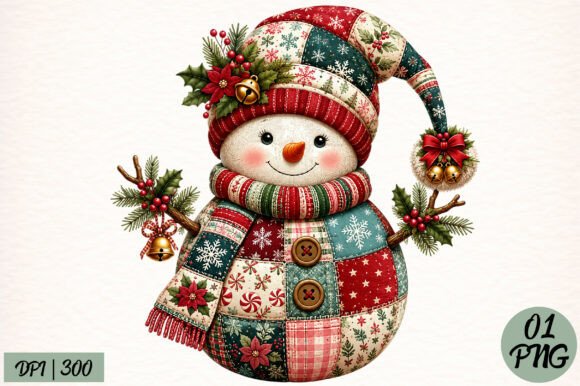
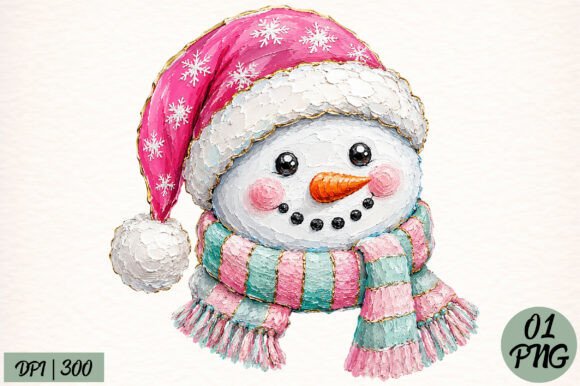
The immediate mood of the Hand-painted Retro Snowman Christmas PNG is nostalgic and warm. It avoids the sharp, vector-like precision of modern clip art in favor of softer edges and organic color blending. For an embroidery project, this presents both an opportunity and a challenge. The softness suggests a cozy, handmade aesthetic that aligns perfectly with holiday embroidery trends, but it requires careful digitizing to maintain that painterly feel without becoming muddy.
The layout is balanced, with a central figure that commands attention without being overly complex. This simplicity is a virtue in embroidery. Complex gradients in a PNG do not stitch out as gradients; they must be interpreted through thread colors and stitch types. The retro palette likely uses muted reds, greens, and creams, which are excellent for creating contrast against traditional fabric backgrounds like navy fleece or natural linen.
Real-World Application: The Custom Tote Test
To truly understand the value of this asset, I visualized it applied to a heavy canvas tote bag design. This is a popular small shop product during the winter season. The snowman’s sturdy, rounded shape holds up well on textured fabrics. Unlike delicate filigree designs that get lost in the weave of canvas, this bold retro style stands out.
If you were to use this for sweatshirt embroidery, the result would be equally compelling. The retro vibe pairs naturally with the casual comfort of a crewneck. However, because the source is a PNG, you cannot simply print it directly onto fabric for a high-end look unless you are doing heat transfer. For true embroidery, this image serves as the reference for your digitizer. You would need to trace the shapes and assign stitch types manually. The hand-painted edges suggest using a combination of fill stitch for the body and satin stitch for any defined borders or accessories like scarves or hats.
Navigating Fabric and Hoop Constraints
Not every surface is suitable for this design. While it works beautifully on stable fabrics like cotton twill, denim, or felt, you must exercise caution with stretchy materials. If you are attempting baby embroidery on a onesie, the density of the fill stitches required to capture the snowman’s form could cause puckering. Always use a cut-away stabilizer for knit fabrics to support the weight of the thread.
Consider the hoop size carefully. This design likely requires at least a 4x4 or 5x7 inch hoop to retain its detail. Trying to shrink it down for a small embroidered patch or a cap front might result in loss of definition. The "hand-painted" nuances rely on subtle color shifts. If the design is too small, those shifts become indistinguishable blobs of thread. For curved surfaces like caps, ensure the digitized version has proper pull compensation to prevent distortion.
Dark fabrics present another consideration. If the snowman features light colors, they will pop against black or navy, but you must ensure your digitizing includes underlay stitches to prevent the dark fabric from showing through. Conversely, if you are stitching on white or cream fabric, verify that the thread colors have enough saturation to stand out. Testing on scrap fabric is non-negotiable here.
Commercial Viability and Brand Consistency
For commercial embroidery professionals, consistency is key. Using a digital embroidery file derived from this PNG can help build a cohesive holiday collection. The retro aesthetic is currently trending, meaning products featuring this snowman are likely to engage buyers looking for vintage-inspired decor. It fits seamlessly into boutique branding that values artisanal quality over mass-produced perfection.
However, remember that the PNG itself is not the final product. It is a design asset. Your value lies in how you translate it. A poorly digitized version of this beautiful image will look amateurish. Invest time in reviewing stitch density and thread color contrast. Create printable mockup previews for your online listings to show customers how the texture of the thread complements the hand-painted style of the original art.
Practical Designer Notes
Before you commit to production, keep these technical checks in mind:
- Check Licensing: Confirm whether the Hand-painted Retro Snowman Christmas PNG allows for commercial use in finished physical goods. Some licenses permit digital resale, while others only allow end-product sales.
- Test Stitch Density: High-density fills can make garments stiff. Adjust your digitizing software to use lighter fill patterns if the design feels too heavy on the fabric.
- Color Separation: Since the source is a painting, decide which details are essential. Simplify complex shading into distinct thread colors to maintain clarity.
- Fabric Contrast: Always test the design on both light and dark backgrounds. A design that looks great on white may disappear on beige.
- Washability: If this is for a custom apparel item that will be washed frequently, ensure the edges are secured with proper tack-down stitches or satin borders to prevent fraying.
In conclusion, the Hand-painted Retro Snowman Christmas PNG is a strong candidate for holiday projects, provided it is treated with technical respect. It offers a unique visual personality that stands out in a market saturated with generic vectors. By focusing on proper digitizing techniques and fabric selection, you can transform this digital asset into a high-value finished product that delights customers and enhances your brand’s reputation for quality craftsmanship.