Reviewing Classic Christmas Seamless Digital Paper for Embroidery
As a designer who has spent years translating digital concepts into thread, I approach every new asset with a specific set of questions. Will this hold up under the needle? Does it translate well from screen to fabric? When I first opened Classic Christmas Seamless Digital Paper, my initial reaction was not just about the aesthetic appeal, but about its structural potential. This is not merely a background image; it is a versatile design asset that can elevate a wide range of machine embroidery design projects if used with intention.
First Impressions and Visual Personality
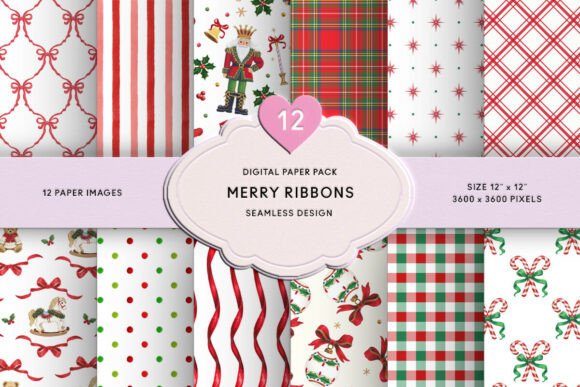
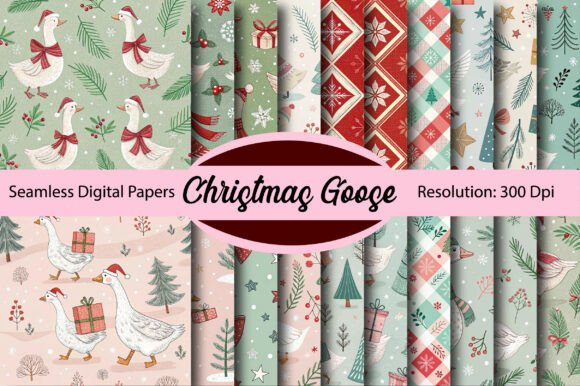
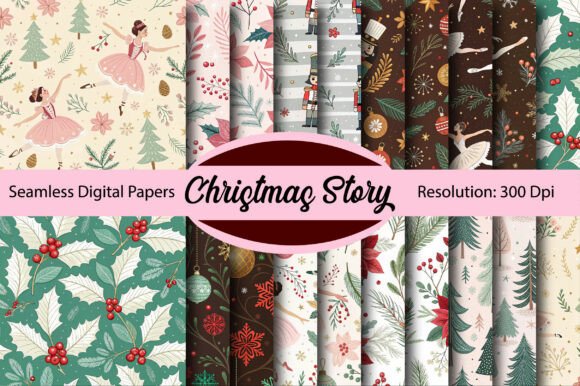
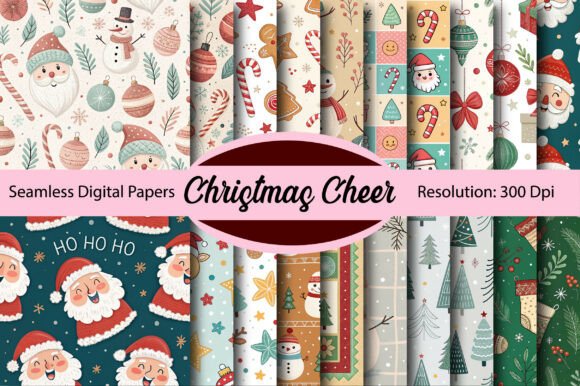
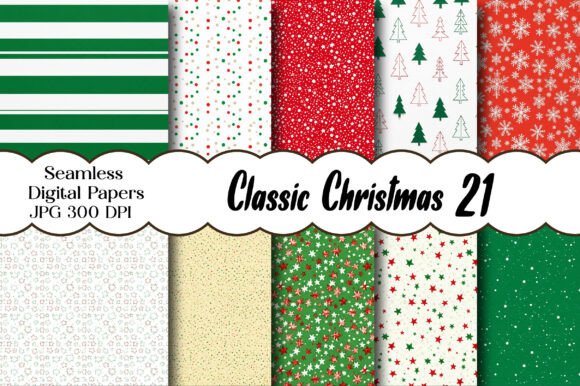
The mood created by this pattern is immediately nostalgic yet clean. It avoids the cluttered look that often plagues holiday graphics, opting instead for a balanced layout that feels professional. For an embroidery designer, this clarity is crucial. The shapes are distinct, and the theme is unmistakably festive without being overly complex. This visual personality suggests that the pattern works best when it serves as a supporting element rather than the sole focus, unless you are creating large-scale decorative pieces.
When evaluating the detail level, I noticed that the lines are crisp. In the world of digital embroidery file preparation, crisp lines mean easier digitizing. Whether you are converting this into an applique design or using it as a guide for fill stitch areas, the simplicity of the forms reduces the risk of thread breaks and puckering. It feels like a resource built for makers who value efficiency and high-quality output.
Real-World Application: The Custom Tote Bag Scenario
To truly test the viability of Classic Christmas Seamless Digital Paper, I imagined a real-life scenario: preparing a batch of custom embroidered tote bags for a local holiday market. These are not just any bags; they are heavy canvas totes intended for gift-giving. Using this pattern as a base for a tote bag design offers a unique advantage. Instead of a single central motif, the seamless nature allows for an all-over print effect or a subtle border accent.
If I were to digitize this for a sweatshirt embroidery project, I would likely scale it down to create a textured pocket accent. Customers often look for items that feel boutique-made rather than mass-produced. A subtle, repeating pattern from this collection adds that layer of sophistication. It signals to the buyer that thought went into the finished product. For an Etsy seller, this kind of detail can be the difference between a browser and a buyer. It enhances the perceived value of the handmade product by adding visual depth without overwhelming the garment.
Performance Across Different Fabrics and Items
The versatility of this pattern extends beyond apparel. Consider its use in home decor, such as pillow covers or kitchen towels. For a holiday embroidery themed tea towel, the pattern could be stitched along the hem using a running stitch for a delicate, hand-look finish. However, one must be mindful of the fabric texture. On smooth cotton, the design will pop. On textured linen, the smaller details might get lost, so adjusting the scale is necessary.
For baby embroidery items, such as onesies or burp cloths, safety and comfort are paramount. Here, the pattern’s simplicity is a benefit. It allows for low-density stitching, which remains soft against sensitive skin. If used on a cap or hat, the curved surface presents a challenge. The seamless nature helps, but you must ensure the pattern does not distort near the seams. Testing on scrap fabric is non-negotiable in these cases.
Technical Considerations for Stitching Success
While Classic Christmas Seamless Digital Paper is visually appealing, its translation into thread requires careful planning. One of the primary concerns is stitch density. If you attempt to fill a large area with this pattern using solid satin stitch borders, the fabric may pucker. I recommend using a combination of stitch types. Use running stitches for fine lines and light fill stitches for broader areas. This approach maintains the integrity of the design while keeping the embroidery project flexible and durable.
Another critical factor is color contrast. This pattern relies on clear definition. If you choose thread colors that are too similar to the base fabric, the design will vanish. For dark fabrics, consider using metallic or bright white threads to make the pattern stand out. Conversely, on light fabrics, deep reds or greens will provide the necessary pop. Always test your color combinations on a small swatch before committing to the final piece.
Where to Use Caution
There are specific scenarios where this design requires extra attention. Small hoop sizes can limit the effectiveness of a seamless pattern, as the repetition may not be visible. On stretchy fabrics, such as jersey knits used in t-shirts, proper stabilization is essential. Without a cut-away stabilizer, the tension from the stitching can distort the pattern, ruining the seamless illusion. Additionally, avoid using this pattern on garments that require frequent, harsh washing unless you secure the threads properly, as intricate details can loosen over time.
Enhancing Brand Consistency and Customer Trust
For craft business owners, consistency is key to building brand recognition. Using a cohesive set of Patterns like this one across your product line creates a unified look. Whether you are selling custom apparel or personalized gift items, a consistent visual language helps customers identify your work. This pattern fits seamlessly into a professional portfolio, enhancing your commercial embroidery offerings.
Moreover, using high-quality design assets improves your marketing materials. You can use the digital files to create printable mockup images for your online store. This allows potential buyers to visualize the embroidered patch or garment before purchasing, increasing confidence and reducing return rates. It is a practical tool for both production and promotion.
Practical Designer Notes
Before integrating Classic Christmas Seamless Digital Paper into your workflow, keep these practical steps in mind:
- Test on Scrap Fabric: Always run a test stitch-out to check for tension issues and thread breaks.
- Check Thread Contrast: Ensure your chosen thread colors stand out against the fabric background.
- Review Stitch Density: Adjust density settings to prevent puckering, especially on lighter fabrics.
- Confirm Hoop Size: Make sure your hoop can accommodate the desired scale of the pattern.
- Inspect Small Details: Zoom in on the digital file to ensure no lines are too thin to stitch reliably.
- Use Proper Stabilizer: Match the stabilizer type to the fabric weight and stretch.
- Verify Licensing: Confirm whether the license allows for small shop product sales or if it is for personal use only.
In conclusion, Classic Christmas Seamless Digital Paper is a robust resource for the serious embroidery designer. It offers flexibility, aesthetic appeal, and professional quality. By understanding its strengths and limitations, you can create stunning design assets that resonate with customers and stand the test of time. Whether you are a hobbyist making gifts or an Etsy seller scaling your business, this pattern provides a solid foundation for creative exploration.