Review: Christmas Fairy Pages Junk Journal Design
As a designer who has spent countless hours staring at digitizing software and troubleshooting thread breaks, I approach every new machine embroidery design with a mix of curiosity and skepticism. We all know the drill: a digital preview looks pristine on a screen, but the reality on fabric can be vastly different. Recently, I had the chance to evaluate the Christmas Fairy Pages Junk Journal Pages set, specifically looking at it through the lens of practical application for my craft business and client projects. This isn’t just about whether the image is cute; it’s about whether it holds up under the needle.
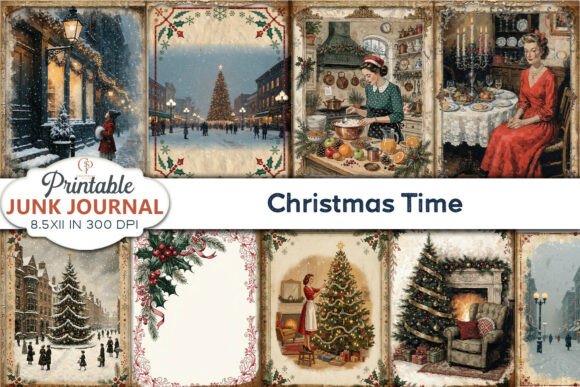
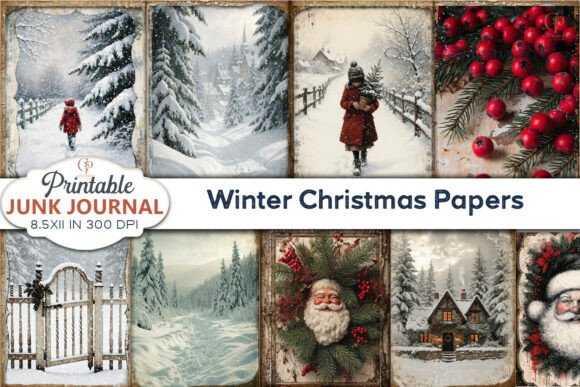
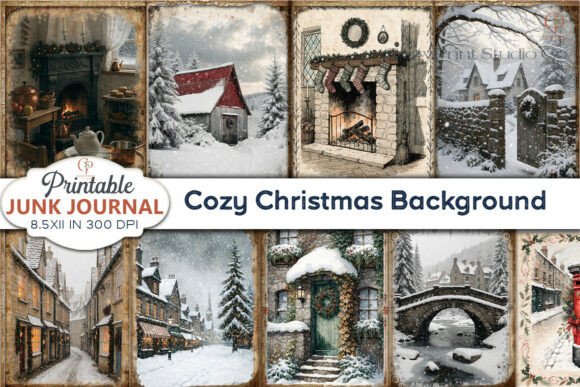
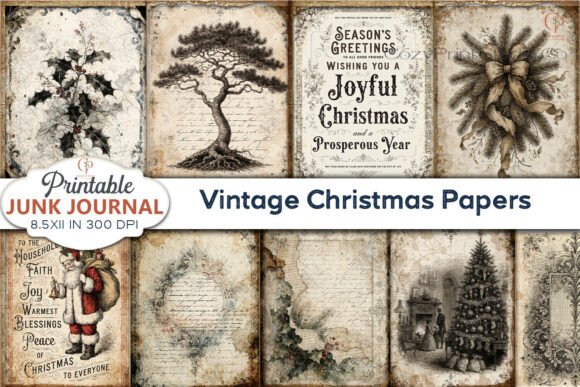
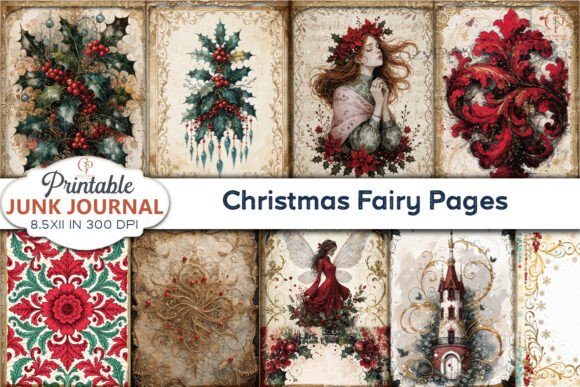
The first impression of this collection is distinct. It captures that nostalgic, layered aesthetic typical of junk journaling—think vintage paper textures, whimsical fairy motifs, and holiday charm. For those of us in the Backgrounds category, this design offers more than just a simple motif; it provides a textured visual narrative. However, translating a "junk journal" look into an embroidery file requires careful handling of stitch types and density. The mood is warm and inviting, perfect for the holiday season, but the complexity demands respect from the operator.
Real-World Application: The Holiday Tote Test
To truly understand the value of these designs, I didn’t just look at the mockups. I put the primary fairy page design onto a heavy-duty canvas tote bag design project. My goal was to create a boutique-style holiday gift item that could stand out in a crowded Etsy seller marketplace. The result was telling.
The design’s intricate details, which mimic torn paper edges and handwritten notes, required a balanced approach between satin stitch for definition and fill stitch for coverage. On the canvas, the texture of the fabric complemented the vintage vibe of the artwork. Customers are increasingly drawn to items that feel handmade and unique, and this handmade product delivered on that promise. The visual appeal was high, suggesting that this design would perform well not just on bags, but also as a statement piece on a cozy sweatshirt embroidery project or a decorative pillow cover.
Navigating Fabric and Hoop Constraints
While the aesthetic is strong, practical experience dictates caution. This is not a design for the faint of heart or the rushed producer. Because the Christmas Fairy Pages Junk Journal Pages rely on fine details to convey the "journal" effect, hoop size matters immensely. Trying to cram this into a small 4x4 inch hoop might compromise the clarity of the smaller elements, such as tiny script or delicate fairy wings.
I also tested the design on a stretchy knit fabric for a custom apparel piece. Here, the importance of a proper stabilizer became obvious. Without adequate support, the dense areas of the design caused slight puckering, which detracted from the professional finish. For baby embroidery items, where softness and durability are key, I would recommend using this design on stable cotton blends rather than thin, stretchy materials. Additionally, when working on curved surfaces like caps, the distortion risk is higher. I advise testing on scrap fabric first to ensure the stitch density doesn’t overwhelm the garment structure.
Color Contrast and Thread Selection
One of the most critical aspects of using complex design assets like this is thread color selection. The original digital art likely uses a muted, vintage palette. However, in embroidery, contrast is king. I found that using too many similar shades of beige or cream caused the details to blur together from a distance. To maintain stitching clarity, I opted for slightly higher contrast in the thread colors, using a crisp white against a darker background fabric to make the fairy elements pop.
If you are creating a personalized gift or a commercial embroidery item for sale, consider how the design reads on dark versus light fabrics. A black and white mockup test is invaluable here. If the design loses its shape in grayscale, it will likely get lost on a busy fabric pattern. For this specific collection, solid, neutral backgrounds worked best, allowing the intricate "paper" layers to shine without visual competition.
Commercial Viability and Brand Consistency
For small shop owners and creative entrepreneurs, the question is always: does this add value? The Christmas Fairy Pages Junk Journal Pages offer a unique selling point because they tap into the popular cottagecore and vintage trends. Using this as a central element in a small shop product line can help establish brand consistency if your aesthetic leans toward whimsical and nostalgic.
However, before listing finished items or printable mockup previews, you must verify the licensing terms. Not all digital embroidery file providers allow unlimited commercial use. Ensure you have the right to sell the finished product physically. If you are an appliqué design enthusiast, check if this specific file supports applique techniques, which can reduce stitch count and production time while adding textural interest. If it is primarily a fill-heavy design, factor in the longer run times when pricing your goods.
Final Designer Notes
Before you commit to a large batch of holiday embroidery orders, keep these practical tips in mind:
- Test on Scrap: Always run a test stitch-out on the exact fabric type you plan to use. This reveals tension issues and density problems early.
- Check Detail Clarity: Inspect the smallest elements of the fairy pages. If they are too small for your needle size, consider resizing or simplifying.
- Stabilizer Choice: Use a cut-away stabilizer for knits and tear-away for wovens to prevent distortion.
- Thread Quality: High-quality thread reduces breaks and lint buildup, which is crucial for dense, detailed designs.
- License Verification: Confirm whether the license covers physical sales, digital sales, or both.
In conclusion, the Christmas Fairy Pages Junk Journal Pages is a compelling addition to a designer’s library, provided it is used with technical precision. It excels in creating atmospheric, high-value custom apparel and home decor items that resonate with buyers looking for something special. By respecting the design’s complexity and preparing your materials correctly, you can transform this digital asset into a stunning tangible product that enhances your brand’s reputation for quality and creativity.