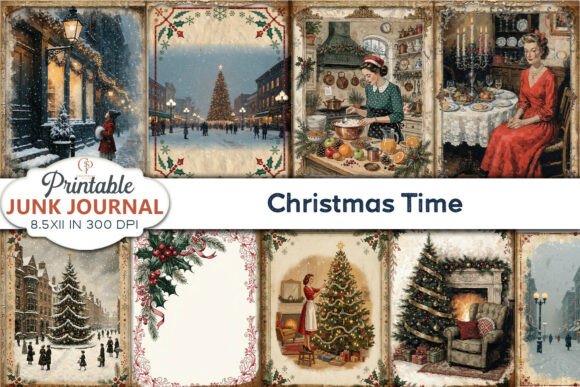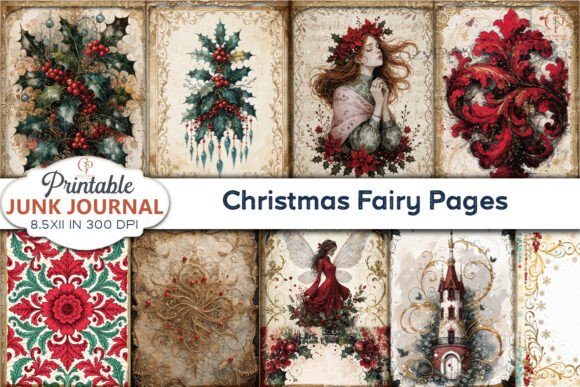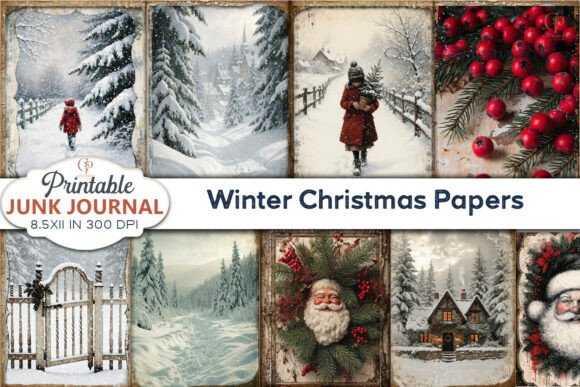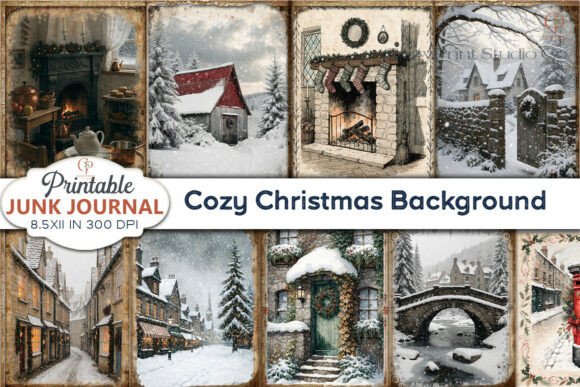
Reviewing Classic Christmas Pages Junk Journal for Stitchers
As an embroidery designer who has spent years translating digital art into thread, I approach every new machine embroidery design with a mix of curiosity and caution. We have all been there: you see a beautiful graphic online, download the embroidery file, and hope it translates well to fabric. Today, I am taking a close look at Classic Christmas Pages Junk Journal. This is not just another holiday motif; it is a complex visual narrative that demands careful consideration before it hits the hoop.
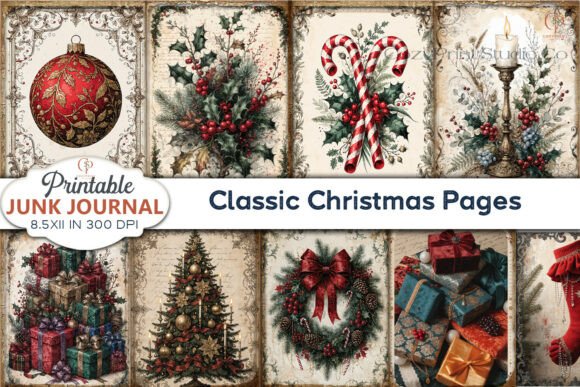
My first impression of Classic Christmas Pages Junk Journal was one of nostalgic warmth. The aesthetic leans heavily into the "junk journal" trend—layered papers, vintage typography, and worn textures. For a digital artist, this is visually stunning. But for us stitchers, layered textures present a unique challenge. How do you replicate the look of torn paper edges and faded ink using only thread? The mood it creates is intimate and cozy, perfect for projects that aim to evoke memory and tradition rather than just festive brightness.
The Real-World Test: A Holiday Tote Bag Project
To evaluate this design properly, I imagined a real-life scenario. I had a client requesting custom holiday gifts for her boutique customers. She wanted something sophisticated, not the typical bright red and green cartoons. I envisioned using Classic Christmas Pages Junk Journal on a heavy canvas tote bag. This is a common request for Etsy sellers and small shop product creators during the fourth quarter.
The design’s layout is intricate. It features elements that resemble old book pages, handwritten notes, and botanical sketches. In a printable mockup, these details look crisp. However, when planning the embroidery project, I had to think about stitch types. The fine lines of the "handwritten" text would likely require a precise running stitch or a very narrow satin stitch. If the digitizer has not optimized these small details, they could easily get lost in the fabric texture or break under tension.
For a tote bag, the durability factor is key. Customers will toss books, groceries, and gifts into these bags. A design with high stitch density might hold up well structurally, but if the background fill is too dense, it can make the fabric stiff and prone to puckering. I would recommend testing this design on a scrap piece of the exact canvas weight intended for production. This step is non-negotiable for any professional craft business.
Versatility Across Product Lines
Beyond tote bags, where else does Classic Christmas Pages Junk Journal fit? The vintage aesthetic makes it a strong candidate for sweatshirt embroidery. Imagine this design placed on the left chest of a heather grey crewneck. The muted tones of the junk journal style complement neutral apparel colors beautifully. It elevates a basic garment into a personalized gift that feels curated rather than mass-produced.
However, caution is needed when applying this to baby embroidery items. While the theme is gentle, the complexity of the design might be too busy for a small onesie or bib. Babies move, and their clothes are washed frequently. A design with many small, disconnected elements or delicate applique design features might not withstand industrial washing as well as a simpler motif. For nursery decor, such as pillow covers or wall hangings, the design shines. Here, the item is handled less roughly, allowing the intricate fill stitch work to remain intact and visually appealing.
For commercial embroidery professionals, this design could serve as a standout element in a holiday collection. It differentiates your offerings from the standard snowflake and Santa Claus motifs. It appeals to a demographic that values artisanal quality and vintage charm. When used in custom apparel for corporate holiday parties, it adds a touch of whimsy without sacrificing professionalism.
Navigating Technical Challenges
Let’s discuss where Classic Christmas Pages Junk Journal requires careful handling. The "junk journal" style often implies distressed edges and overlapping layers. In embroidery, overlapping stitches can lead to excessive bulk. If the design includes simulated paper tears, ensure the digitizing uses appropriate underlay stitches to anchor the top threads. Without proper stabilization, these areas may pull or distort.
Hoop size is another critical factor. This design appears to be detailed and potentially large. If you are working with a smaller hoop, you might need to split the design or reduce its size. Reducing a complex design can cause small text elements to merge, rendering them unreadable. Always check the minimum recommended size provided by the digitizer. If that information is missing, perform a test stitch at various scales to find the threshold where clarity is lost.
Fabric choice plays a massive role here. On dark fabric, light-colored threads will pop, but you must ensure there is enough coverage to prevent the background color from showing through gaps in the stitching. On stretchy fabric like jersey knits, a heavy design can cause the garment to warp. Using a cut-away stabilizer is essential to maintain the shape of the finished product. For textured fabrics like linen or burlap, the irregular weave might interfere with the precision of fine lines. In such cases, simplifying the design or choosing a bolder version might be necessary.
Enhancing Brand Value and Customer Trust
From a business perspective, the quality of your embroidery directly impacts customer trust. A well-executed Classic Christmas Pages Junk Journal design signals attention to detail. It shows that you care about the aesthetic coherence of your handmade product. When customers see clean stitch outs, proper tension, and thoughtful placement, they are more likely to leave positive reviews and return for future purchases.
This design also offers great potential for design assets and marketing. Use high-quality photos of the stitched design on various backgrounds to create engaging social media content. Show the texture of the thread against the fabric. Highlight the vintage feel in your Etsy listings. This visual storytelling helps buyers imagine the product in their own lives, increasing conversion rates.
Before selling any items made with this design, confirm the licensing terms. Most commercial embroidery files allow you to sell the physical finished goods, but restrictions may apply to digital redistribution. Always read the license agreement provided with the digital embroidery file. Protecting your business from copyright issues is as important as perfecting your stitch technique.
Final Designer Notes
- Always test the design on scrap fabric identical to your final material.
- Check thread color contrast; vintage palettes require subtle shifts in hue.
- Inspect small details for readability after stitching.
- Use appropriate stabilizer for the fabric weight and type.
- Verify hoop size compatibility before starting the project.
- Confirm commercial use rights if selling the finished items.
In conclusion, Classic Christmas Pages Junk Journal is a compelling addition to any designer’s library, particularly for those focusing on vintage or nostalgic themes. It requires technical diligence to execute well, but the result can be a standout piece that enhances the value of your holiday embroidery collection. By understanding its limitations and leveraging its strengths, you can create products that resonate with customers seeking quality and charm.